Repiping Old Pipes in Nundah
Repiping Nundah homes means swapping old water supply pipework for new pipe, either across the whole house or one section at a time. It is the job that comes after patching stops making sense. A licensed plumber handles it, and Nundah households get a fixed quote before any work starts.
If we're late, $100 comes off your bill

- Licensed and InsuredEvery job done by a licensed plumber. QBCC No: 15024607
- Fixed Quote FirstFlat-rate pricing, agreed before any work starts
- Lifetime Labour WarrantyBacked by our Fix-It-or-It's-Free guarantee (T&Cs apply)
- $0 Call-Out FeesNo extra charge for nights, weekends or public holidays
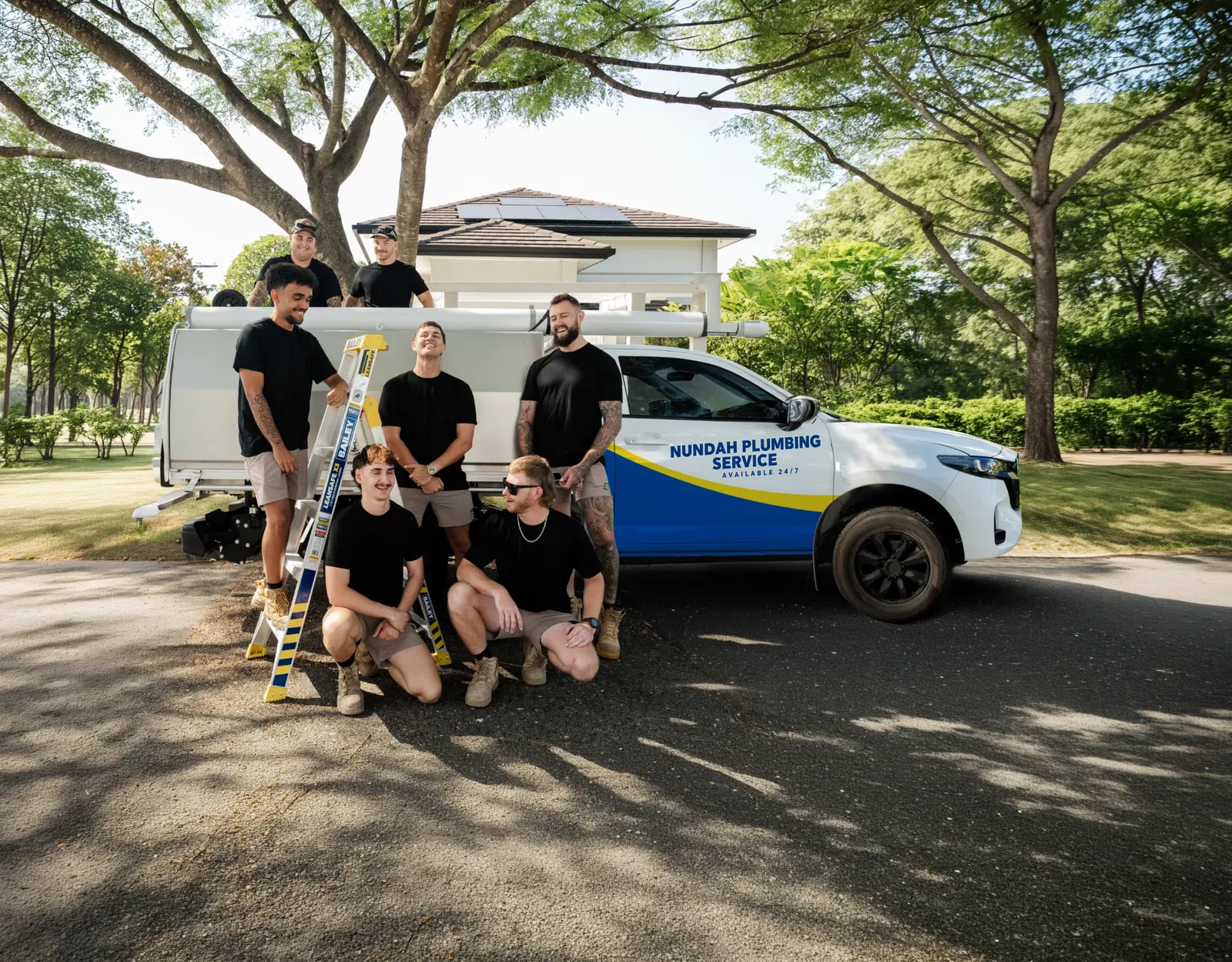
Most homes that need it sit on the older cottage streets. Worker's cottages and Federation houses around Boyd Street drew their supply line in galvanised iron, and any stretch left inside a wall corrodes from the inside. Renovations that kept the old runs are the usual reason we get the call.
A single burst or a hidden leak is a repair job first. Our water pipe repairs page covers the patch side, and burst pipe repairs and leak detection cover the urgent end.
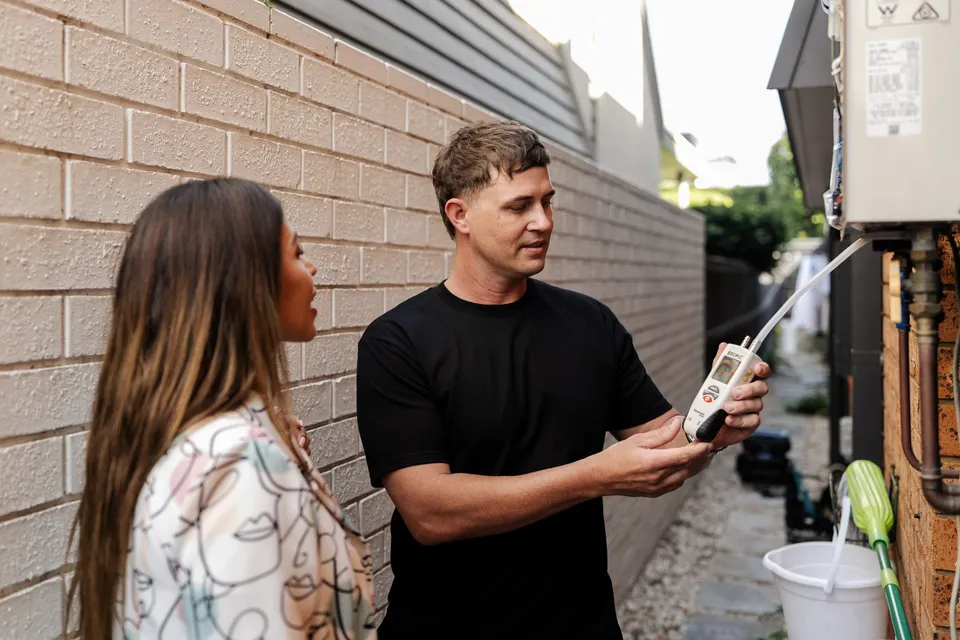
Signs Old Water Pipes Need Replacing
Patching earns its keep while the pipe is sound and the leak is a one-off. Replacement wins when leaks keep returning along the run, the water runs rust-coloured, or the flow goes weak at many taps at once. The pipes behind those signs are usually galvanised steel, or older copper joined with lead-based solder.
Each sign points somewhere different:
Leaks that keep returning
One repair after another along the same run points to a pipe that is wearing out, not one bad joint.
Rust-coloured or brown water
Discolouration points to corrosion inside the pipe itself.
Weak flow at many taps
Low pressure across the whole house, not just one fixture, means corrosion or scale is narrowing the bore.
Age and condition decide which signs matter at your place. Galvanised steel carries a zinc coating that corrodes from within, narrowing the bore and rusting the water. Copper installed up until 1989 may carry lead solder at its joints, so the plumbing's age is worth a thought in older homes.
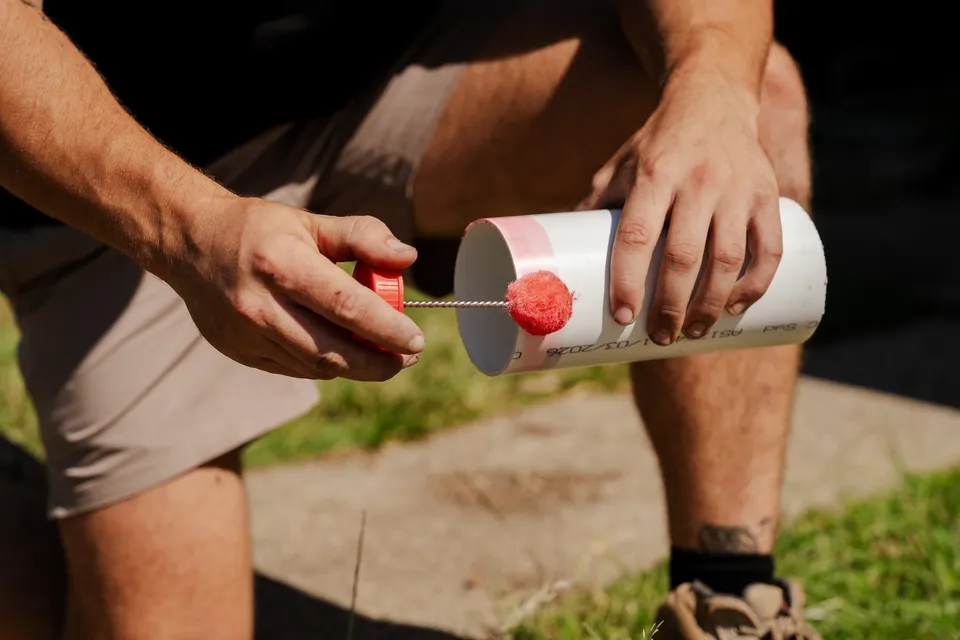
What the Owner Should Receive After a Repipe
Replacing supply pipes in an existing building is notifiable work: a licensed plumber lodges a Form 4 with the QBCC within 10 business days and gives the owner a copy. No council permit applies, because permit work covers plumbing for new buildings, a different job. Your rights after the work:
A Form 4 copy
The plumber registers it with the QBCC within 10 business days of finishing, and you receive your copy.
The QBCC registers
Anyone can search online to see whether a plumber is licensed and whether a Form 4 exists for a property.
A council inspection on request
You can contact the local government at any stage during the work and ask for an inspection.
A complaint path
If no Form 4 arrives, or the work may be unlicensed or defective, you can complain online to the QBCC.
One detail most guides miss: the work stays open to a council check for a year. If the council contacts the occupier within one year of the completion notice reaching the QBCC, an inspector may inspect the repipe, with the occupier's consent, to check it complies with the code requirements.
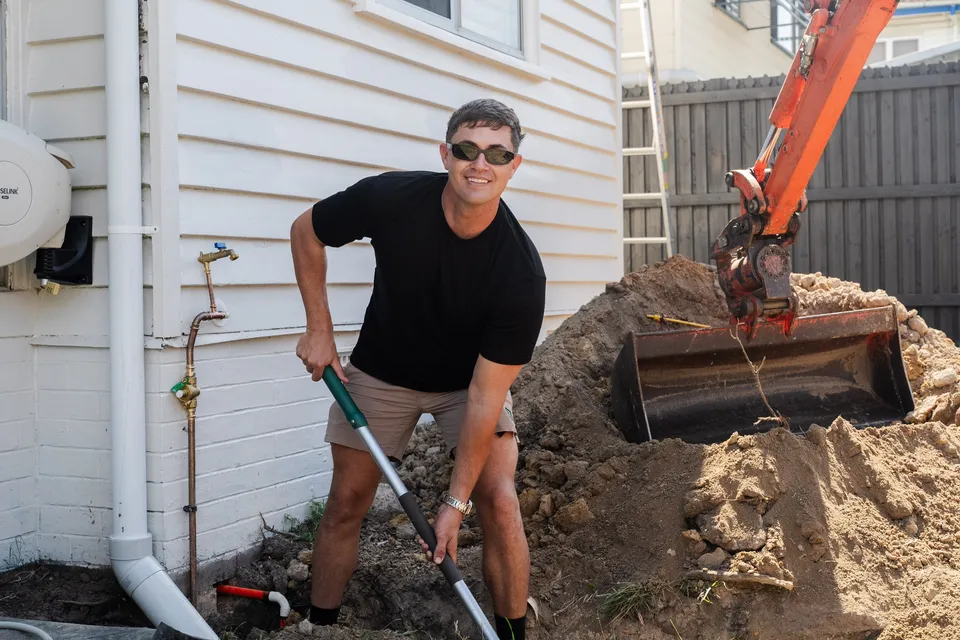
What Replaces Galvanised and Old Copper Pipe
The usual replacement materials are copper, a rigid metal pipe, and PEX (cross-linked polyethylene), a flexible plastic pipe, and the plumber picks by where the pipe runs. Whatever goes in must be a product the Act approves for installation as plumbing. Notifiable work has to meet the code requirements, and each thing fitted must be an approved product.
Galvanised steel is not on the list, since its coating is what fails. Rigid copper suits exposed, straight sections; flexible PEX suits runs with bends and tight cavities.
What Happens During a Whole-House Repipe
- 1

Inspect and Plan
We look over the existing pipework and decide which sections to replace and which can stay. The plan sets out a full-house or staged job.
- 2

Open Access and Build the New Run
Access is opened to the pipes in walls, floors or the subfloor, and the new run is built beside the old one. The home keeps its water for part of the job because the new line goes in alongside.
- 3
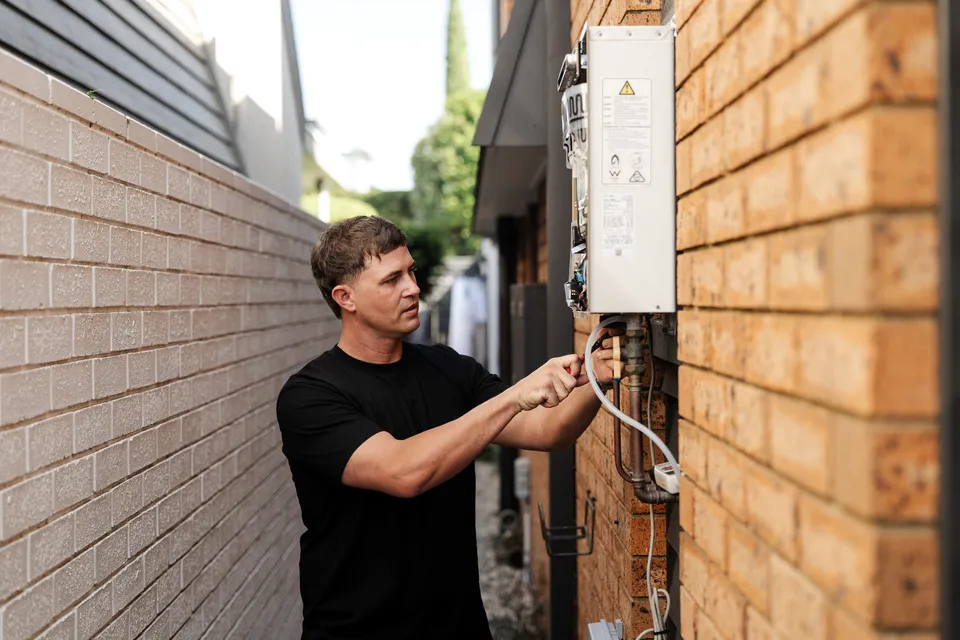
Connect and Test
The supply is off while we connect the new pipework, then we test the run for leaks before anything is closed up.
Plumbing job in Nundah?
$0 call-out fees, available 24/7, and same-day where we can.

Old Cottages and New Blocks Around Boyd Street
The streets tell you where the old runs are. Cottages of the Boyd Street and York Street kind drew their original supply in galvanised iron, and the public mains feeding them remain largely cast iron. Area-level figures put population growth at 9.6 percent between 2020 and 2025, with 143 dwellings approved in 2021-22 alone, so new apartment blocks now share those streets with the original cottages.
The mix changes the job. A cottage reno opens walls that hide galvanised line, while a unit block keeps its runs in laundries and service cavities.
In the Regulation, a supply pipe carries water within premises, and the connection point is where Urban Utilities' system meets it. A repipe works on the owner's side only; the utility's network begins at that join.
How a Repipe Visit Runs
- 1

Call or message us
Ring (07) 3524 7137 or use the form and describe what's going on in Nundah. A few details up front mean the right gear comes on the first trip.
- 2
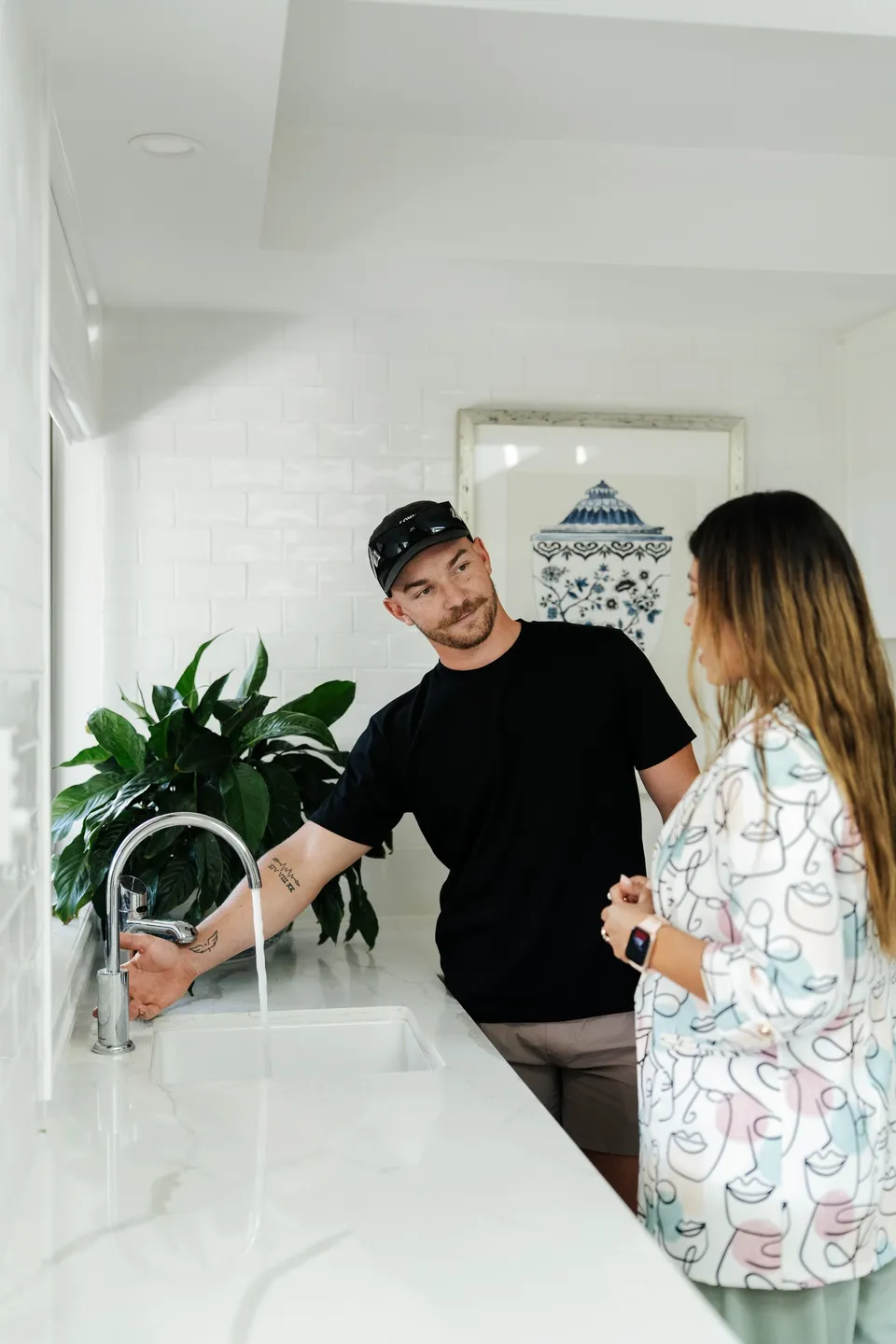
Inspect the old line and quote the replacement
We trace the existing run, check which sections are galvanised or ageing copper, and mark out what a full or staged repipe covers. You then get the price in writing before anything is opened.
- 3
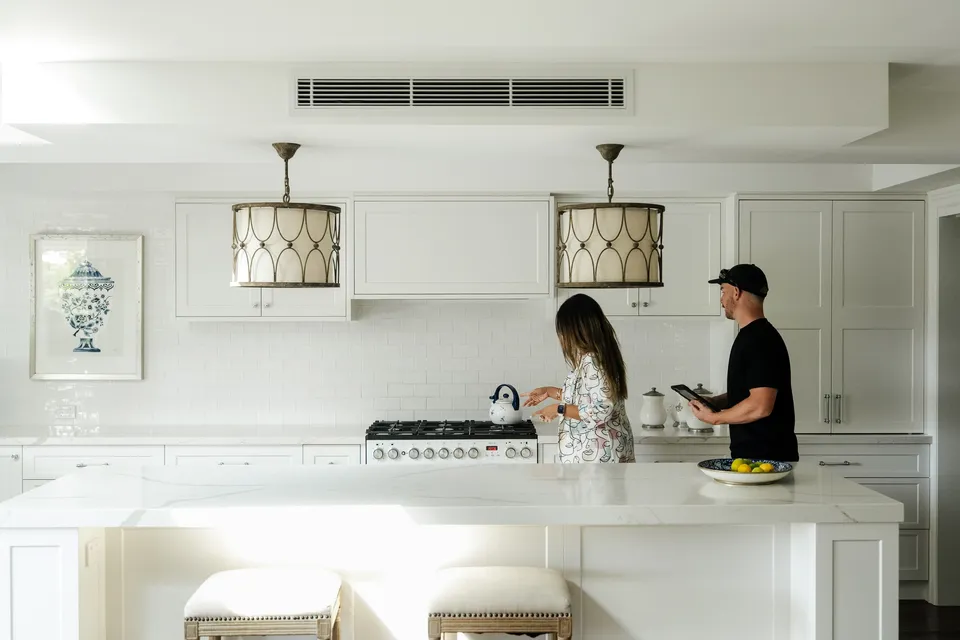
Fixed quote, then the work
We give you a fixed quote before any work starts. It's flat-rate pricing with no hidden fees, and we only start once you approve it.
- 4
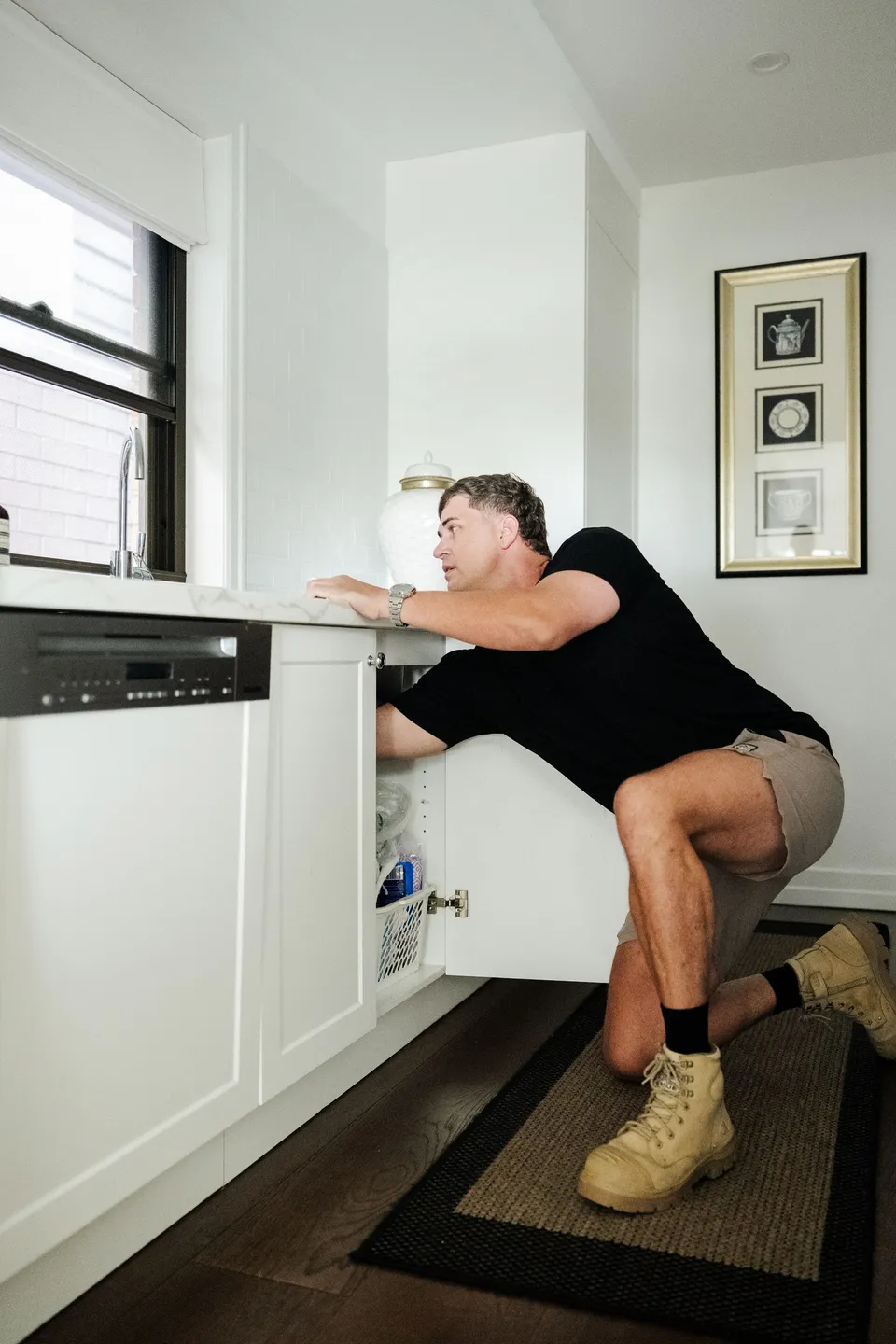
Settle up your way
Card and EFTPOS payment on site when the job's finished, or Fix now, pay later if that suits you better.
Repiping Questions From Nundah Homeowners
Call (07) 3524 7137Is repiping worth it for an older Nundah home?
Yes, when the signs line up. Patching suits a sound pipe with a one-off leak, but repeated leaks along one run, rust-coloured water or flow dropping at several taps point to pipework wearing out as a whole. We inspect first, then quote.
How do I know if my water pipes need replacing?
Watch for leaks that keep coming back along the same run, discoloured water, and low pressure across several taps rather than one. Age and material matter: galvanised steel corrodes from within, and copper put in before 1989 may carry lead solder at the joints. A licensed plumber inspects the run to confirm.
Can I replace my own water pipes?
No, you cannot. Replacing supply pipework in a home that already stands is notifiable work, and repairing a broken pipe is minor work, and both categories need a licensed plumber. The QBCC's unregulated list is short and includes no pipework.
How can I check a repipe was registered?
Search the QBCC's online registers: they show whether the plumber is licensed and whether a Form 4 was registered for the property. You can also ask the QBCC for a copy, including when you expected one and never received it. If none arrived, you can complain online.
What affects the cost of repiping a Nundah house?
Two things drive the price most: the length of pipe to replace, and the number of fixtures to reconnect. Access comes next, because reaching runs through walls, floors or the subfloor changes the work. Your fixed quote confirms the figure before we begin.

Call Us About Your Old PipesWe'll call you back.
Ring (07) 3524 7137 and tell us what's wrong. You get $0 call-out fees, a fixed quote before any work starts and same-day where we can, 7 days a week.
To claim your $0 call-out fee, call (07) 3524 7137 today.